
We use cookies to enhance your user experience. By clicking ‘Accept’, you agree to store cookies on your device. Find our Privacy Policy.
MRCP PACES Videos
Watch 100+ Gold Standard video cases with real patients, clinical signs and model viva answers, backed by a 250-page PACES handbook covering every station type.
Plans
Select Your Plan

MRCP PACES Video Course
£199.99/six months
Get Access 100 Gold Standard Exam Videos
- Unique PACES book
- Interactive marksheets
- Detailed progress tracking
- Offline iOS/Android/iPad App
What's included
Three resources, one subscription
Watch the exam done properly, read the reference that covers every case, then practise it out loud.

110+ PACES Video Cases
Gold Standard PACES stations showcasing real patient examinations, high quality clinical signs, history and communication stations to help you prepare for the real exam!

250-Page PACES Handbook
Detailed library for all station types including guidance notes and condition summaries including signs, symptoms, differentials, investigations and management. All the PACES knowledge you need in one place!

PACES-AI
Stations
100 stations you practise out loud with an AI patient, AI examiner and viva, marked by two independent examiners.

PACES Videos
Gold Standard MRCP PACES videos
Watch the exam done properly, case by case.
Free PACES book
Get a free 250-page PACES handbook
Included with every subscription and delivered free across the UK and internationally.


PACES-AI
The closest thing to the exam
Ultra low latency conversation, cases with real clinical nuance, and marking calibrated against human examiners.
Marked like the real exam
Two AI examiners assess every station independently against the official markscheme, exactly as PACES does.
Highly calibrated marking
Validated against scores from the PACES clinicians who write our stations.
Nuanced cases, not scripts
100 stations across consultation, communication, cardiology, respiratory, abdominal and neurology.
Ultra low latency conversation
The market leader for realistic spoken consultation, at the pace of a person in the room.
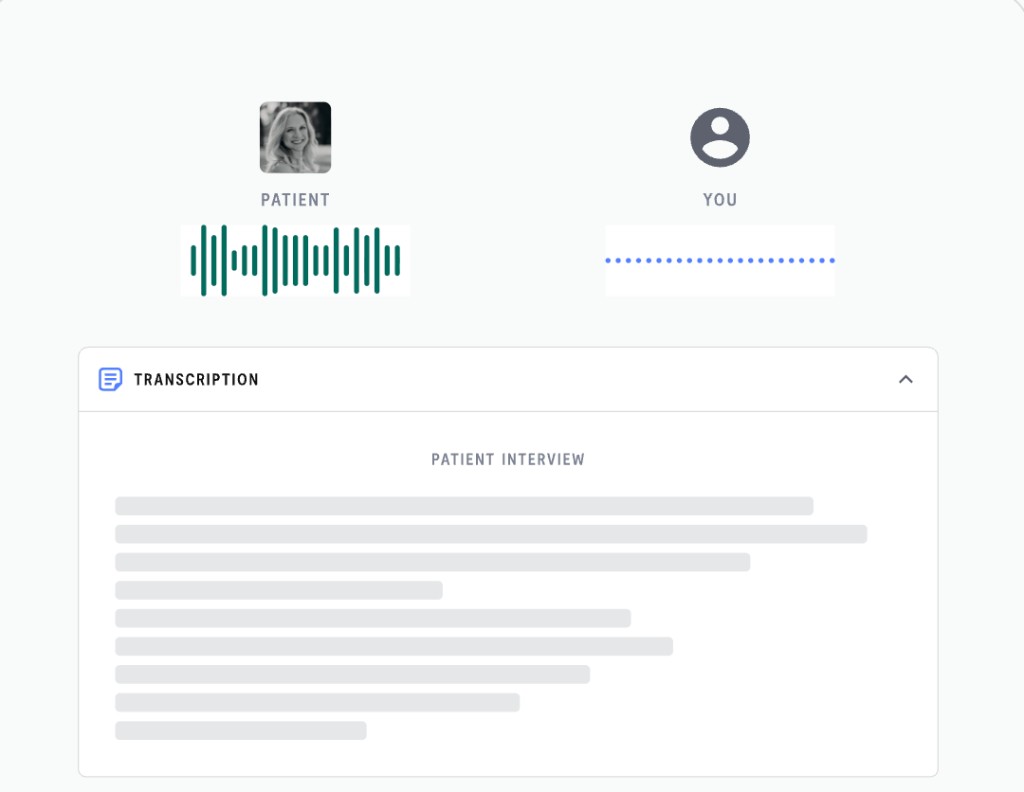
Included with every PACES subscription.

Testimonials
Don't just take our word for it!
Read what our users have to say about Quesmed.
Aida
🇬🇧 MRCP PACES User

Yasmin
🇬🇧 MRCP PACES User
Liam
🇬🇧 MRCP PACES User
Ben
🇬🇧 MRCP PACES User
Nas
🇬🇧 MRCP PACES User
Zara
🇬🇧 MRCP PACES User

FAQ
Frequently asked questions
PACES-AI lets you run a full PACES station out loud, on demand. You consult a spoken AI patient, hand off to an AI examiner for the physical findings, then answer viva questions on the stations that call for it. There are 100 AI stations covering consultation, communication, cardiology, respiratory, abdominal and neurology.
Every station is marked by two AI examiners working independently against the official markscheme, mirroring the real exam. Our marking is calibrated and validated against scores from the PACES clinicians who write our stations, and you can adjust any mark you disagree with.
MRCP PACES is a practical assessment of clinical examination skills, testing your ability to assess patients safely, effectively and efficiently. It is a face to face exam across a series of stations that emulate real clinical scenarios.
Doctors aiming for speciality training in the UK must complete MRCP PACES. It is also a recognised post-graduate qualification in many other countries.
PACES consists of five stations:
- Respiratory and abdominal examination
- History taking
- Cardiovascular and neurological examination
- Communication skills and ethics
- Integrated clinical assessment
Each station is assessed against set criteria by two independent examiners.
Get regular bedside teaching, watch station videos to see how each station should be tackled, then rehearse out loud with PACES-AI under exam conditions and review the marking for recurring gaps.
PACES has set exam dates and application deadlines, and fees differ between UK and international centres.
Application dates, fees and the process are on the Federation MRCP PACES page.